TECHNOLOGY
AI Catches What Tired Eyes Miss in the OR
AI-powered computer vision is cutting tray errors in US sterile processing departments, boosting safety and compliance
10 Jun 2026
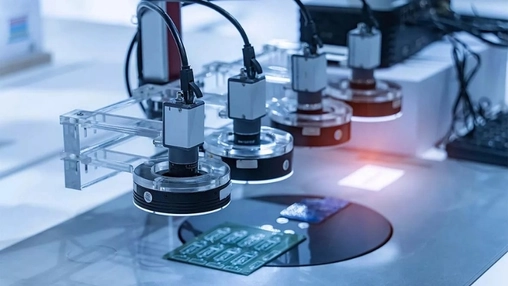
US hospitals are deploying computer vision technology inside sterile processing departments, where surgical instruments are cleaned, assembled, and packaged before operations. The tools identify missing chemical indicators on trays before they leave the assembly area, alerting staff in real time.
Censis Technologies is among the early suppliers in this space. Its Assembly Copilot: Final Check product scans trays during assembly and flags absent indicators before a tray is cleared for use. Mercy Health reported that indicator errors across three hospitals and a surgery center fell from 15 to 20 per month to nearly zero following deployment.
The case for automation is tied directly to workload. Busy US facilities process between 10,000 and 30,000 surgical instruments daily. Staff shortages have made consistent manual checks harder to sustain, and a single missed step can delay surgery or contribute to patient harm.
Adoption figures reflect growing uptake. Digital tracking systems in US sterile processing have expanded by 48% in recent years, and 80% of major hospitals using such tools report efficiency gains of up to 25%.
Broader quality challenges remain. A May 2026 survey by MasterControl found that 94% of pharmaceutical quality leaders cite poor staff engagement with existing systems as the main obstacle to AI adoption success. Sterile processing departments face a comparable challenge as they introduce verification tools into high-pressure workflows.
Related News


SUBSCRIBE FOR UPDATES
By submitting, you agree to receive email communications from the event organizers, including upcoming promotions and discounted tickets, news, and access to related events.