INSIGHTS
Robots, Hubs, and the End of Regional Sterilization
Two major deals signal a shift toward centralized, robotics-enabled sterilization hubs, cutting per-unit costs across US healthcare supply chains
22 Jun 2026
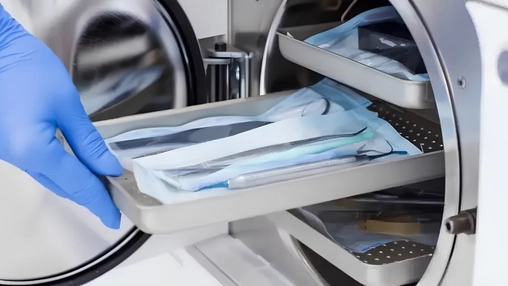
Two acquisitions announced on 18 June 2026 are accelerating the consolidation of the US sterile processing sector, as outsourcing firms move to build centralized, automation-powered facilities at the expense of smaller regional operators. Sterilization Partners and Medline Industries are among the firms driving the transactions, with Cardinal Health also positioned as a significant force in the market.
Smaller sterilizers have grown increasingly vulnerable. Rising energy costs and tightening regulatory requirements have compressed margins for regional operators, who face mounting capital demands they are ill-equipped to meet alone. Robotics-enabled hubs process instruments at lower per-unit cost and with greater quality consistency across high-volume runs, advantages that compound as scale increases.
For hospitals and surgical centers, the shift carries practical consequences. Centralized facilities promise faster instrument turnaround, more consistent compliance records, and predictable contract pricing. Procurement teams that have relied on regional vendors may need to renegotiate supply agreements as those operators consolidate or exit.
Analysts tracking healthcare logistics expect further acquisitions through the remainder of 2026. The underlying logic is straightforward: absorbing fixed infrastructure costs across a broader client base improves unit economics while funding continued investment in automation. Scale, once achieved, becomes self-reinforcing.
Supplier choice will narrow for service buyers. Greater pricing consistency and improved service standards are the expected trade-off as the sector matures around fewer, larger operators. Whether those efficiency gains pass through to hospitals and ultimately to patients will depend on how competitive pricing remains once consolidation stabilizes.
Related News


topics on the agenda
CASE STUDIES IN CYCLE CALCULATION FOR NEW STERILIZATION PROCESS DEVELOPMENT
DAY 1: undefined
09:30 - 09:55
BENCHMARK STUDY FOR STERILITY ASSURANCE TOOLS AND METHODS IN MANUFACTURING AND TESTING ISOLATORS
DAY 1: undefined
12:00 - 12:25
SOLVING RESIDUE AND STAINING CHALLENGES WITH ST108 GUIDANCE
DAY 1: undefined
14:00 - 14:25
SUBSCRIBE FOR UPDATES
By submitting, you agree to receive email communications from the event organizers, including upcoming promotions and discounted tickets, news, and access to related events.